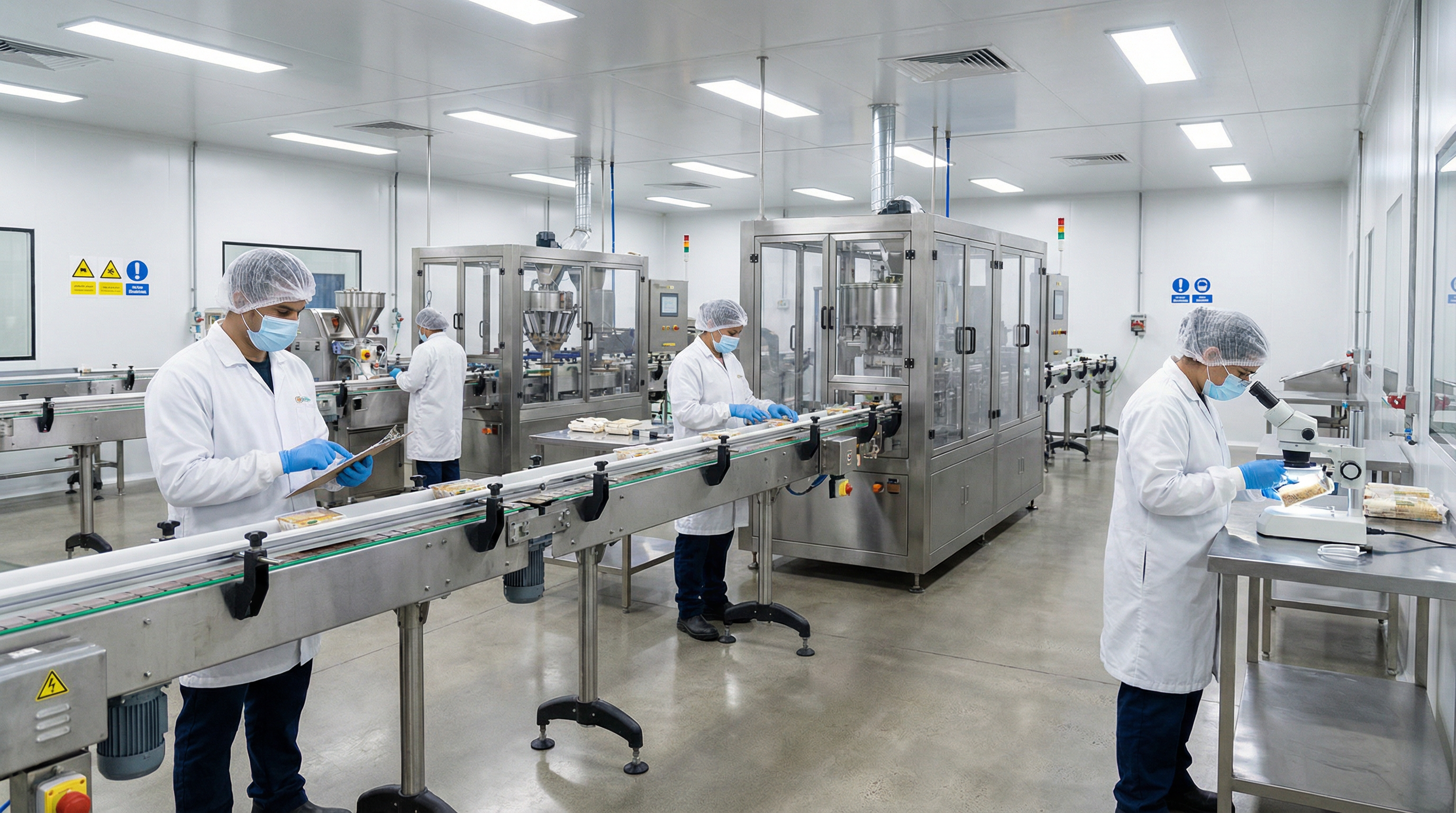
What Is HACCP?
HACCP (Hazard Analysis and Critical Control Points) is a systematic, science-based approach to identifying and controlling food safety hazards. Originally developed for NASA in the 1960s, HACCP is now the universally recognized standard for proactive food safety management.
Rather than testing finished products for safety issues after the fact, HACCP focuses on preventing hazards before they occur by identifying critical control points in the production process and establishing monitoring procedures at each one.
HACCP is required or strongly recommended by the FDA, USDA, Codex Alimentarius, and virtually every major food safety certification standard — including SQF, BRC, and FSMA.
Developed for NASA
Created in the 1960s to ensure safe food for astronauts. Adopted globally as the gold standard for food safety.
Federally Mandated
Required for seafood processors (1997), juice processors (2002), and meat/poultry (USDA FSIS). FSMA's HARPC builds directly on HACCP principles.
Universal Standard
Required by SQF, BRC, IFS, FSSC 22000, and virtually every major retailer food safety program. No SQF certification without a HACCP plan.
All Food Manufacturers
Applies to every company that manufactures, processes, packs, or holds food — regardless of size, sector, or product type.